Washington State
North Bend,
Washington
Gateway to the Cascades — iconic hikes, a legendary waterfall, and one of the Pacific Northwest's most accessible mountain towns.
beExploring / North Bend
Overview
Thirty miles east of Seattle on I-90, North Bend sits at the foot of the Cascade Mountains where the Snoqualmie Valley opens up into forest and peaks. It's the closest point from the city where hiking feels genuinely remote — Mount Si and Rattlesnake Ledge are two of the most-hiked trails in Washington State, and both start within minutes of downtown.
Three miles down the road, Snoqualmie Falls drops 268 feet over a basalt cliff and draws over a million visitors a year. Between the hikes, the river, the Iron Horse Trail, and the town itself, North Bend rewards more time than most visitors give it.
beExploring / North Bend
What Makes North Bend Special
Mount Si and Rattlesnake Ledge
Two of the most-hiked trails in Washington State start minutes from downtown North Bend. Mount Si climbs 3,150 feet to panoramic Cascade views. Rattlesnake Ledge is the region's best short hike — a 4-mile round trip to a dramatic rocky overlook above Rattlesnake Lake.
Snoqualmie Falls
One of Washington's most iconic landmarks sits three miles from town. At 268 feet, the falls thunder year-round and are accessible from a short paved trail above or a longer trail to the base. The Salish Lodge perches at the rim.
30 miles from Seattle
North Bend sits on I-90 at the edge of the Cascades — close enough for a morning hike and back, or a natural staging point for trips deeper into the mountains. The drive through the Cedar River Valley is scenic in every season.
Gateway to the Cascades
Twin Falls, the Iron Horse Trail, the Snoqualmie River, and the backcountry of Mount Baker-Snoqualmie National Forest are all within striking distance. North Bend is a practical base for multi-day exploration of the western Cascades.
beExploring / North Bend
Things to Do
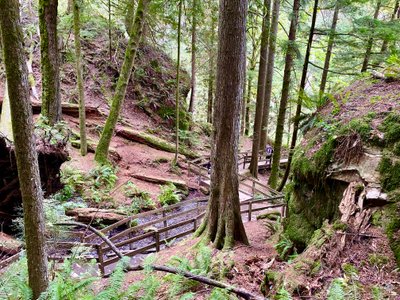
Hiking
Mount Si, Little Si, Rattlesnake Ledge, Twin Falls, and the Iron Horse Trail offer some of the best hiking in the western Cascades — from family-friendly walks to strenuous summit scrambles.
Hiking →
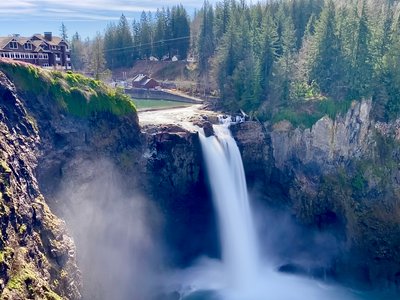
Snoqualmie Falls
Washington's most visited natural attraction draws over 1.5 million visitors a year. A short paved trail from the Salish Lodge overlooks the 268-foot falls, with a longer path leading to the base.
Snoqualmie Falls →
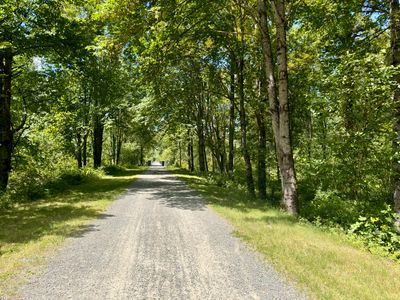
Biking
The Snoqualmie Valley Trail runs through downtown North Bend and connects to the Iron Horse Trail at Rattlesnake Lake, giving riders access to miles of gravel trail. Tennant Trailhead Park and the Torguson Park Pump Track round out the options for all ages.
Biking →
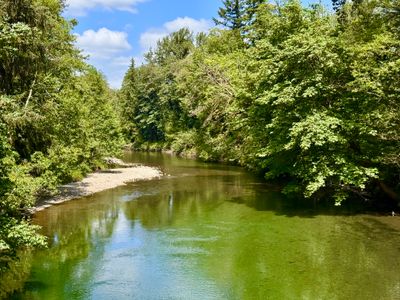
Snoqualmie River
The Snoqualmie River winds through the valley below Mount Si, offering calm paddling stretches in summer and excellent river access for fishing, swimming, and relaxing on gravel bars.
Snoqualmie River →
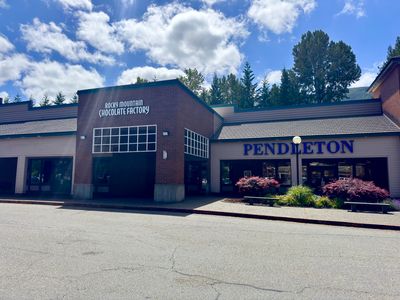
North Bend Premium Outlets
One of the largest outlet centers in the Pacific Northwest sits right on I-90. Over 100 designer and name-brand stores — a popular add-on to a hiking day or a rainy-weather alternative.
North Bend Premium Outlets →
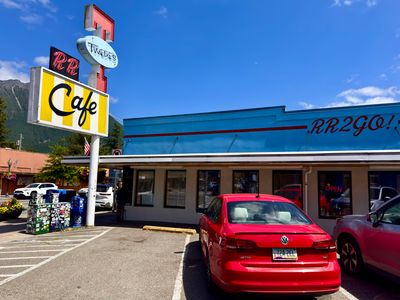
Twin Peaks Locations
North Bend and Snoqualmie served as filming locations for the original Twin Peaks series. The Mar T Cafe (now Twede's Cafe) and the Salish Lodge appear throughout the show — a pilgrimage for fans.
Twin Peaks Locations →
beExploring / North Bend
Where to Stay
Most people visit North Bend as a day trip from Seattle, which is the easiest option given it is only 30 miles away. If you would rather stay out here, the choices split between town, the falls, and heading further up I-90 toward the pass.
North Bend & Snoqualmie
A handful of chain hotels sit right off I-90 in North Bend, convenient for early trailhead starts at Mount Si and Rattlesnake Ledge. The town of Snoqualmie, three miles west, adds a few more options near the falls.
Salish Lodge & Spa
Perched directly at the rim of Snoqualmie Falls, the Salish Lodge is the area's destination stay and a Twin Peaks landmark in its own right. Worth a meal even if you are not staying the night.
Snoqualmie Pass
Thirty minutes further east on I-90, the pass has hotels and cabins that work well as a base for combining North Bend hiking with skiing or alpine trails higher up.
Snoqualmie Pass →
Stay in Seattle
At 35 to 45 minutes each way, North Bend works comfortably as a day trip from the city. Most visitors hike in the morning and are back in Seattle by lunch.
Stay in Seattle →
beExploring / North Bend
Best Time to Visit
March – May
Waterfalls peakSnowmelt swells Snoqualmie Falls to its most dramatic. Lower trails like Rattlesnake Ledge and Twin Falls open early while upper routes may still carry snow. A green, lush time to visit with fewer summer crowds.
June – August
Best for hikingAll trails open, longer daylight, and comfortable temperatures on most routes. Rattlesnake Ledge is packed on weekends — arrive before 8am or choose a weekday. The Snoqualmie River is warm enough for swimming by July.
September – October
Quiet and beautifulFewer hikers, brilliant foliage along the Snoqualmie Valley, and crisp air that makes climbing Mount Si especially rewarding. A shoulder season that rewards those willing to bring a rain layer.
November – February
Lower trails openSnow closes Mount Si's upper sections, but Rattlesnake Ledge, Twin Falls, and much of the Iron Horse Trail stay accessible. Snoqualmie Falls is spectacular after storms. A good season for quiet hiking when you avoid weekend crowds.
Rattlesnake Ledge parking fills before 9am on summer weekends. Plan for an early start or a weekday visit.
beExploring / North Bend
Tips
Rattlesnake Ledge parking fills completely by 9am on summer weekends. Arrive before 8am or visit on a weekday — the experience is dramatically better with fewer people on the ledge.
Mount Si is a serious hike. Plan 4-6 hours round trip, bring plenty of water, and don't underestimate the sustained elevation gain. The Haystack at the summit requires a technical scramble — skip it if conditions are wet.
Most North Bend trailheads require either a Northwest Forest Pass (Mount Si, Rattlesnake Ledge) or a Discover Pass (Twin Falls State Park). Buy the right one before you go — neither is available at the trailhead.
Stop at South Fork after your hike — ample outdoor space for dogs and kids, great food, and a solid beer selection.
beExploring / North Bend
Common Mistakes
Showing up at Rattlesnake Ledge without a plan on a summer Saturday. The parking lot fills well before 9am. Have a backup trail in mind, or commit to an early start.
Treating Mount Si as a casual walk. The 8-mile round trip with 3,150 feet of gain is one of the steeper day hikes near Seattle. It's doable for fit hikers but not a first hike for beginners.
Skipping the falls in winter. Snoqualmie Falls is extraordinary after a big rain or snowmelt event — the volume and sound are unlike anything in summer. It's worth making the drive specifically in wet weather.
Showing up without the right parking pass. Federal trailheads like Mount Si and Rattlesnake Ledge require a Northwest Forest Pass; Twin Falls State Park requires a Discover Pass. Check before you go.
beExploring / North Bend
Plan Your Trip
beExploring / North Bend