North Bend — Washington State
Things to Do in
North Bend
Hiking, waterfalls, cycling, and more — the western Cascades at their most accessible, 30 miles from Seattle.
Full North Bend Guide →beExploring / North Bend
Overview
North Bend packs an unusual amount of outdoor activity into a small radius. The best hiking near Seattle, a world-famous waterfall, a historic rail trail through the Cascades, and easy river access all sit within a few miles of each other.
This guide covers the main activities so you can match the right experience to your group and the day — whether that's a sunrise summit on Mount Si, a quick waterfall visit at Twin Falls, or a quiet afternoon on the Snoqualmie River.
beExploring / North Bend
Best Things to Do at a Glance
Best overall experience
Sunrise on Rattlesnake Ledge, breakfast and cherry pie at Twede's Cafe, then the lower trail at Snoqualmie Falls in the afternoon
Best for first-time visitors
The Snoqualmie Falls upper overlook and the Twin Falls loop — two waterfalls for very little effort, both at their best after rain
Best hard day
Mount Si — 8 miles and 3,150 feet of gain to the Haystack, with views from the Snoqualmie Valley to the Olympics on a clear day
Best for families
Little Si in the morning, the Torguson Park pump track in town, and a summer afternoon on a Snoqualmie River gravel bar
Best rainy day
Snoqualmie Falls at full storm volume, then the North Bend Premium Outlets and a booth at Twede’s
#1 Activity
Hiking
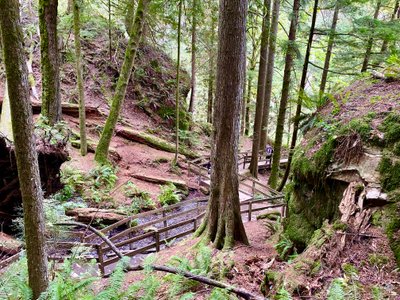
North Bend is the best hiking base close to Seattle. The combination of Mount Si, Rattlesnake Ledge, Twin Falls, and the Iron Horse Trail gives hikers of every ability a compelling reason to make the drive. Trails stay largely accessible year-round at lower elevations, and the mountain routes open fully by late June.
Rattlesnake Ledge
The most popular short hike in the Seattle metro area — and for good reason. A 4-mile round trip climbs 1,100 feet to a rocky ledge with sweeping views of Rattlesnake Lake, Chester Morse Reservoir, and the Cascade foothills. Heavily trafficked on summer weekends but genuinely beautiful. Arrive before 8am to get parking and beat the crowds.
Mount Si
The iconic Cascade foothill hike, 8 miles round trip with 3,150 feet of gain. The trail climbs through dense old-growth forest before breaking out onto a boulder field below the Haystack summit block. The views from the top stretch from the Snoqualmie Valley to the Olympic Mountains on clear days. This is a serious hike — plan 4-6 hours and bring plenty of water.
Little Si
A shorter, gentler version of the Mount Si trail — 5 miles round trip with about 1,200 feet of gain. A great option for families with kids, less-experienced hikers, or anyone wanting a quicker outing with good views. Shares a trailhead with Mount Si off SE Mount Si Road.
Twin Falls State Park
A beautifully forested 2.6-mile loop trail that visits three distinct waterfalls on the South Fork Snoqualmie River. A suspension bridge offers dramatic views of the upper falls. Old-growth Douglas fir and cedar make this one of the most scenic lower-elevation trails in the region. The trail is accessible most of the year.
Most visited site in WA
Snoqualmie Falls
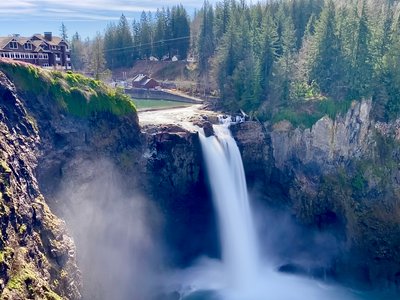
Snoqualmie Falls is Washington's most visited natural attraction — a 268-foot waterfall three miles west of North Bend that draws more than 1.5 million visitors annually. The combination of easy access, dramatic scale, and the iconic Salish Lodge perched at the rim make it worth seeing regardless of conditions. It's especially spectacular after heavy rain or snowmelt.
Upper Overlook
A short paved walk from the parking area leads to a fenced overlook directly above the falls. The view is impressive and accessible to everyone including strollers and wheelchairs. This is the quick version — 10-15 minutes from your car to the overlook and back. Free to visit; parking can fill on summer weekends.
Lower Falls Trail
A rougher 0.5-mile trail descends from the upper area to the base of the falls, where you can feel the mist and see the full scale of the drop from below. The lower trail involves stairs and can be slippery — not suitable for strollers or people with mobility limitations, but highly recommended for everyone else.
Salish Lodge
The historic Salish Lodge & Spa sits directly at the falls overlook and served as the Great Northern Hotel in Twin Peaks. The lodge's dining room has sweeping falls views and is worth a splurge for breakfast or brunch. The Attic lounge is a good lower-key option for a drink and the view.
Trails for all levels
Biking
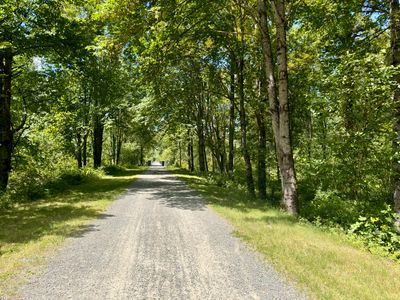
North Bend has a strong lineup of riding options — two major rail trails that meet at Rattlesnake Lake, dedicated mountain bike trails at Tennant Trailhead Park, and a large pump track in town. Whether you're looking for easy gravel miles with the kids or technical singletrack, there's a route here.
Snoqualmie Valley Trail
A converted rail trail running north-south through the Snoqualmie Valley, with access right from downtown North Bend. The surface is flat, wide gravel — easy for families and casual riders. It heads south to Rattlesnake Lake, where it meets the Iron Horse Trail, opening up a longer network of connected riding through the valley and foothills. Read our trip report →
Iron Horse Trail (Palouse to Cascades)
The Iron Horse Trail is the local name for the westernmost section of the Palouse to Cascades State Park Trail, a converted Milwaukee Road railroad grade. It picks up at Rattlesnake Lake and heads east, starting flat before gradually gaining elevation at a very moderate incline as it climbs toward Snoqualmie Pass. Connect to it via the Snoqualmie Valley Trail from downtown for a longer ride.
Tennant Trailhead Park
A dedicated mountain bike trail network on the south side of North Bend, with routes designed to be accessible for families and newer riders. A good introduction to off-road riding without the commitment of a backcountry trail. The trailhead is easy to find and parking is straightforward.
Torguson Park Pump Track
A 35,000-square-foot pump track in North Bend built for all skill levels. Pump tracks reward momentum and technique over raw fitness — a fun option for kids learning to ride, experienced riders working on flow, or anyone who wants a quick session without heading out on the trail network.
Summer favorite
Snoqualmie River
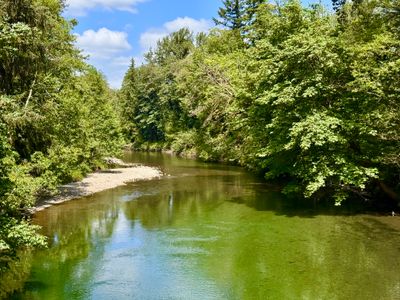
The Snoqualmie River winds through the valley floor below Mount Si, offering accessible summer recreation without a long drive or strenuous hike. Gravel bars along the river are popular swimming spots on hot summer days, and the calmer stretches north of North Bend are good for casual kayaking and paddleboarding.
Paddling
The Snoqualmie River has multiple put-in points north and west of North Bend suitable for kayaks and stand-up paddleboards in summer low-water conditions. The stretch through the valley below Mount Si is scenic and relatively calm. Check water levels before going — the river runs high and fast with significant hazards in spring.
Swimming & Gravel Bars
By mid-July the river calms and warms enough for swimming at several gravel bar access points. Local spots along SE Reinig Road and near the Tollgate Farm area are popular. No lifeguards — exercise good judgment, especially with children.
Fishing
The Snoqualmie River and its forks support steelhead, cutthroat trout, and salmon runs. The South Fork has good fly fishing access near Twin Falls. Check WDFW regulations for current rules, gear restrictions, and open seasons before fishing.
For the fans
Twin Peaks Filming Locations
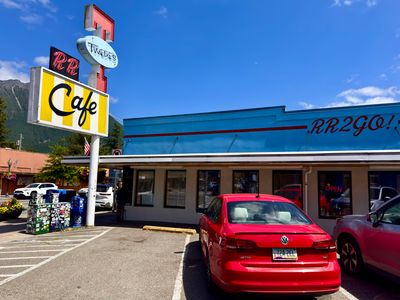
North Bend and neighboring Snoqualmie served as filming locations for David Lynch's Twin Peaks, which premiered in 1990. The locations are recognizable to fans and add a fun cultural dimension to a visit — especially Twede's Cafe, which appeared as the Double R Diner throughout the series.
Twede's Cafe (Double R Diner)
The original Mar T Cafe, now Twede's Cafe, is the most famous Twin Peaks location in North Bend. The diner appeared as the Double R Diner in the show and is still operating as a classic American diner. The cherry pie and coffee are genuinely good, and the memorabilia inside makes it worth a stop for fans. Located on North Bend Way downtown.
Salish Lodge (Great Northern Hotel)
The Salish Lodge at Snoqualmie Falls served as the exterior for the Great Northern Hotel in Twin Peaks. Walking to the falls overlook while picturing the show's opening credits makes the visit feel surreal in the best possible way. The lodge has leaned into the connection.
Other Locations
The North Bend High School gymnasium, the Reinig Road bridge, and various street scenes throughout town appeared in the original series and the 2017 revival. A Twin Peaks Fest is held in North Bend annually, drawing fans from around the world to tour locations and meet cast members.
Rain-day option
North Bend Premium Outlets
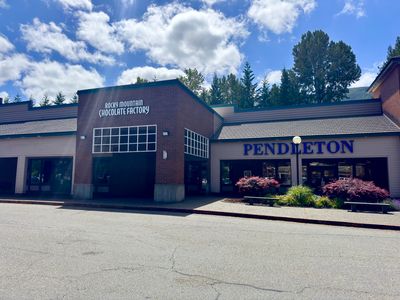
North Bend Premium Outlets is one of the largest outlet shopping centers in the Pacific Northwest, with over 100 stores right off I-90. It functions as a natural complement to a hiking day — either as a planned afternoon stop or a weather backup when the trails are washed out.
The Stores
The outlet center includes high-end and mid-range brands across clothing, footwear, outdoor gear, and home goods. Outdoor gear brands like The North Face, Patagonia, and Columbia are particularly popular with the hiking crowd. Most major national brands are represented.
Timing
The outlets are busiest on holiday weekends when both shopping traffic and hiking overflow from the trailheads converge. Weekday visits are far more relaxed. The center is open year-round and makes an easy first or last stop on an I-90 trip.
beExploring / North Bend
Tips for Visiting
Rattlesnake Ledge parking fills before 9am on summer weekends. Arrive early or choose a weekday — the trail is far more enjoyable without the crowd at the top.
Don't underestimate Mount Si. The 3,150-foot gain over 4 miles is sustained and relentless. Bring more water than you think you need and build in extra time for the descent.
Check which parking pass you need before heading out. Federal trailheads like Mount Si and Rattlesnake Ledge require a Northwest Forest Pass; Twin Falls State Park requires a Discover Pass. Neither is sold at the trailhead.
Visit Snoqualmie Falls in spring or after a major rain event. The volume of water roughly doubles after heavy precipitation and it's one of the most dramatic natural spectacles in Washington.
beExploring / North Bend
Common Mistakes
Arriving at Rattlesnake Ledge at 10am on a summer Saturday. The parking lot is full, the trail is crowded, and the ledge at the top has dozens of people on it. This is a 7am hike on summer weekends, not a mid-morning stroll.
Only hiking Rattlesnake Ledge and skipping Mount Si and Twin Falls. The short hike is great but North Bend's other trails are equally or more rewarding — especially Twin Falls, which most visitors overlook.
Driving to Snoqualmie Falls during peak summer weekends without a plan. The parking lot is large but fills completely on busy days. Arrive early or use overflow parking and walk in.
Avoiding North Bend in winter. The falls are spectacular after storms, Rattlesnake Ledge and Twin Falls stay accessible through most winters, and the crowds thin dramatically. It's one of the best kept off-season secrets near Seattle.
beExploring / North Bend