Washington State
Snoqualmie Pass,
Washington
Year-round mountain adventure in the Cascades — skiing, hiking, snowshoeing, and more, just an hour east of Seattle.
beExploring / Snoqualmie Pass
Overview
Just an hour east of Seattle on I-90, Snoqualmie Pass sits at 3,022 feet in the Cascade Range and offers one of the most accessible mountain experiences in the Pacific Northwest. In winter, The Summit at Snoqualmie draws skiers and snowboarders to four interconnected areas — from gentle beginner slopes at Summit West to the steep, challenging terrain and backcountry access at Alpental.
When the snow melts, the pass becomes a hiker's destination. Trails like Snow Lake and Kendall Katwalk rank among the best in Washington State. Snowshoeing, nordic skiing, snow tubing, and sledding round out the winter options, while mountain biking and fishing open up in summer. The craft brewery Dru Bru and the Firehouse community space make the pass worth lingering in after a day on the mountain.
beExploring / Snoqualmie Pass
What Makes Snoqualmie Pass Special
Four interconnected ski areas
The Summit at Snoqualmie connects Summit West, Summit Central, Summit East, and Alpental — offering terrain for every skill level, one of the largest night skiing operations in the US, and world-class backcountry access at Alpental.
Just an hour from Seattle
No Cascade mountain pass is more accessible from the city. Snoqualmie sits on I-90, making it a practical day-trip for skiing, hiking, or snowshoeing — even on a weekday when crowds are manageable.
World-class Cascade hiking
The Pacific Crest Trail runs through the pass, and trails like Snow Lake, Kendall Katwalk, and Guye Peak rank among the most celebrated hikes in the Washington Cascades. Summer opens up an extraordinary range of routes.
Exceptional snowfall
Snoqualmie Pass averages over 400 inches of snow per year, fueling a full winter menu: skiing, snowboarding, snowshoeing, nordic skiing, snow tubing, sledding, snowmobiling, and backcountry access.
beExploring / Snoqualmie Pass
Things to Do
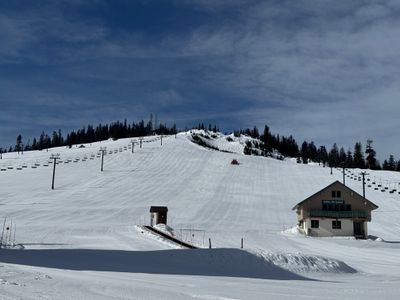
Skiing & Snowboarding
The Summit at Snoqualmie connects four areas from beginner-friendly Summit West to the steep, challenging terrain at Alpental. Night skiing, lessons, and rentals are all available.
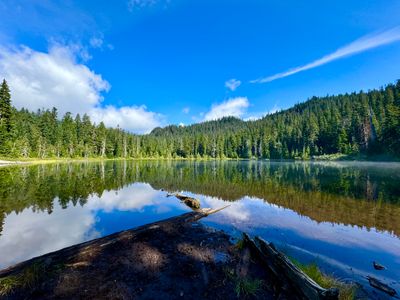
Hiking
Snow Lake, Kendall Katwalk, Guye Peak, and Franklin Falls are among the best trails in the Washington Cascades. Summer and early fall bring alpine wildflowers and clear panoramic views.
Hiking →
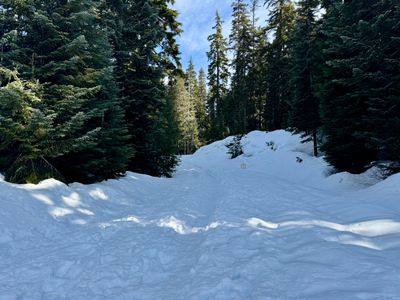
Snowshoeing
Gold Creek Pond, the Pacific Crest Trail through Commonwealth Basin, and the Palouse to Cascades Trail offer peaceful snowshoe routes for all abilities. The Summit East area also has 50 km of groomed Nordic ski tracks.
Snowshoeing →
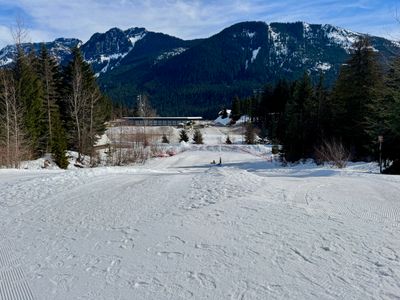
Sledding & Tubing
Hyak Sno-Park has open sledding hills with easy I-90 access. The Summit at Snoqualmie runs a dedicated tubing park with groomed lanes and a covered conveyor lift for fast return trips.
Sledding & Tubing →
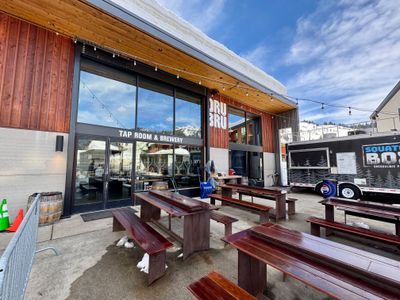
Dru Bru
Snoqualmie Pass's craft brewery sits right off I-90 with mountain views and a rotating tap list. A natural après-ski stop — grab a pint and decompress before the drive home.
Dru Bru →
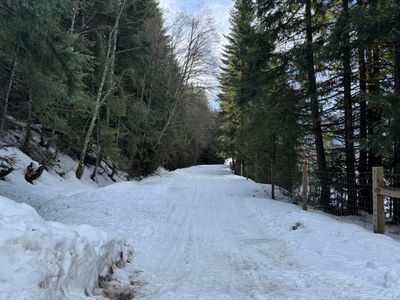
Snowmobiling
Gold Creek Sno-Park provides access to snowmobile trails through powder-covered forests and alpine meadows. Routes range from beginner-friendly loops to more rugged backcountry terrain.
Snowmobiling →
beExploring / Snoqualmie Pass
Where to Stay
Lodging right at the pass is limited, which is part of why most people day-trip from Seattle. If you do stay, the choice is between the handful of hotels at the summit, a rented cabin, or dropping down the west side toward Snoqualmie Falls.
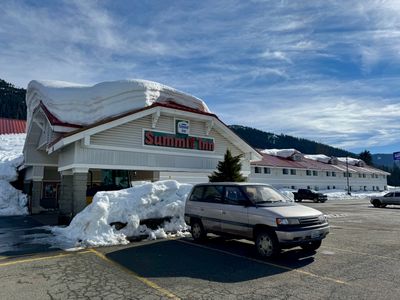
Hotels at the Pass
A small cluster of hotels sits within minutes of the ski areas, putting you on the slopes before the I-90 traffic arrives. The most convenient option on a powder weekend.
Hotels at the Pass →
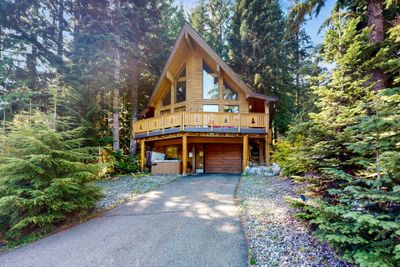
Cabins & Vacation Rentals
Ski cabins and rental homes around the pass suit groups and longer winter stays, many with hot tubs, gear storage, and space to dry everything out between days.
Cabins & Vacation Rentals →
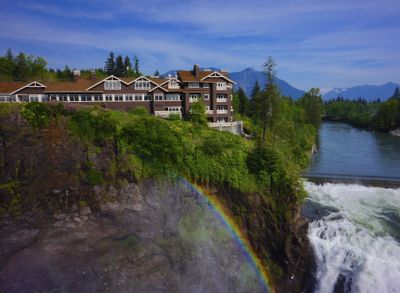
Salish Lodge & the Falls
Thirty minutes down the west side, the Salish Lodge sits at the rim of Snoqualmie Falls. A more comfortable base if you want to combine the pass with North Bend hiking.
Salish Lodge & the Falls →
beExploring / Snoqualmie Pass
Best Time to Visit
March – May
Late ski seasonWith 400+ inches of annual snowfall, the slopes often stay skiable into spring. Lower elevations begin to clear by April, but most alpine hiking trails remain snow-covered through May. A shoulder season that rewards flexibility.
June – August
Best for hikingAlpine trails fully open up in July, wildflowers bloom above treeline, and the pass is at its most accessible for outdoor exploration. Snow Lake, Kendall Katwalk, and the PCT are prime summer destinations. Lift-accessed mountain biking opens at the Summit.
September – October
Crisp & uncrowdedCooler temperatures, fewer hikers, and huckleberries ripening on the hillsides. Trails like Alaska Lake offer excellent fall hiking before early snowfall returns. By late October, high elevations see the first significant accumulation.
November – March
Peak ski seasonThe full winter menu is in play from November through March: skiing, snowboarding, Nordic skiing, snowshoeing, snow tubing, sledding, and snowmobiling. Night skiing extends weekday options at Summit West and Summit Central.
Holiday weekends on I-90 can be slow in both directions. Midweek visits or very early Saturday starts make a meaningful difference.
beExploring / Snoqualmie Pass
Tips
Arrive early on powder days and holiday weekends. The Summit draws large Seattle-area crowds and parking fills quickly — midweek visits or a pre-dawn Saturday start make a significant difference.
Always check WSDOT mountain pass conditions before heading up. Washington law requires traction tires during winter restrictions on the pass — getting caught without them means a fine and potential turn-around.
For Snow Lake and Kendall Katwalk, start early. Both trailhead parking lots fill by 8am on summer weekends. A Discover Pass is required for parking at most trailheads.
Plan a Dru Bru stop after your day on the mountain. The brewery is right off I-90 and makes for a natural end to a ski or hiking trip before the drive back to Seattle.
beExploring / Snoqualmie Pass
Common Mistakes
Visiting on a holiday weekend without a plan. I-90 backs up significantly on busy ski weekends. Midweek visits or very early Saturday starts are much easier — the mountain feels completely different without the crowds.
Only visiting in winter. Summer hiking at Snoqualmie Pass is world-class — Snow Lake, Kendall Katwalk, and the PCT sections here are among the best in Washington and shouldn't be missed.
Skipping the traction tire check. Washington State traction tire restrictions at mountain passes are enforced regularly in winter. Don't assume good weather means the restriction isn't active.
Underestimating trail conditions in shoulder seasons. Many Snoqualmie trails have significant snow through June and again by October. Check the Washington Trails Association website before heading out.
beExploring / Snoqualmie Pass
Plan Your Trip
Things to Do
Skiing, hiking, snowshoeing, sledding, and more
Hiking
Snow Lake, Kendall Katwalk, Franklin Falls
Sledding & Tubing
Hyak Sno-Park and Summit Tubing Park
Snowshoeing
Gold Creek Pond, Pacific Crest Trail routes
Backcountry Skiing
Alpental and Snoqualmie Pass routes
Lodging
Cabins, hotels, and ski-in/ski-out options
North Bend
Mount Si and Snoqualmie Falls, 30 min west
Day Trips from Seattle
Snoqualmie Pass and nearby destinations
beExploring / Snoqualmie Pass