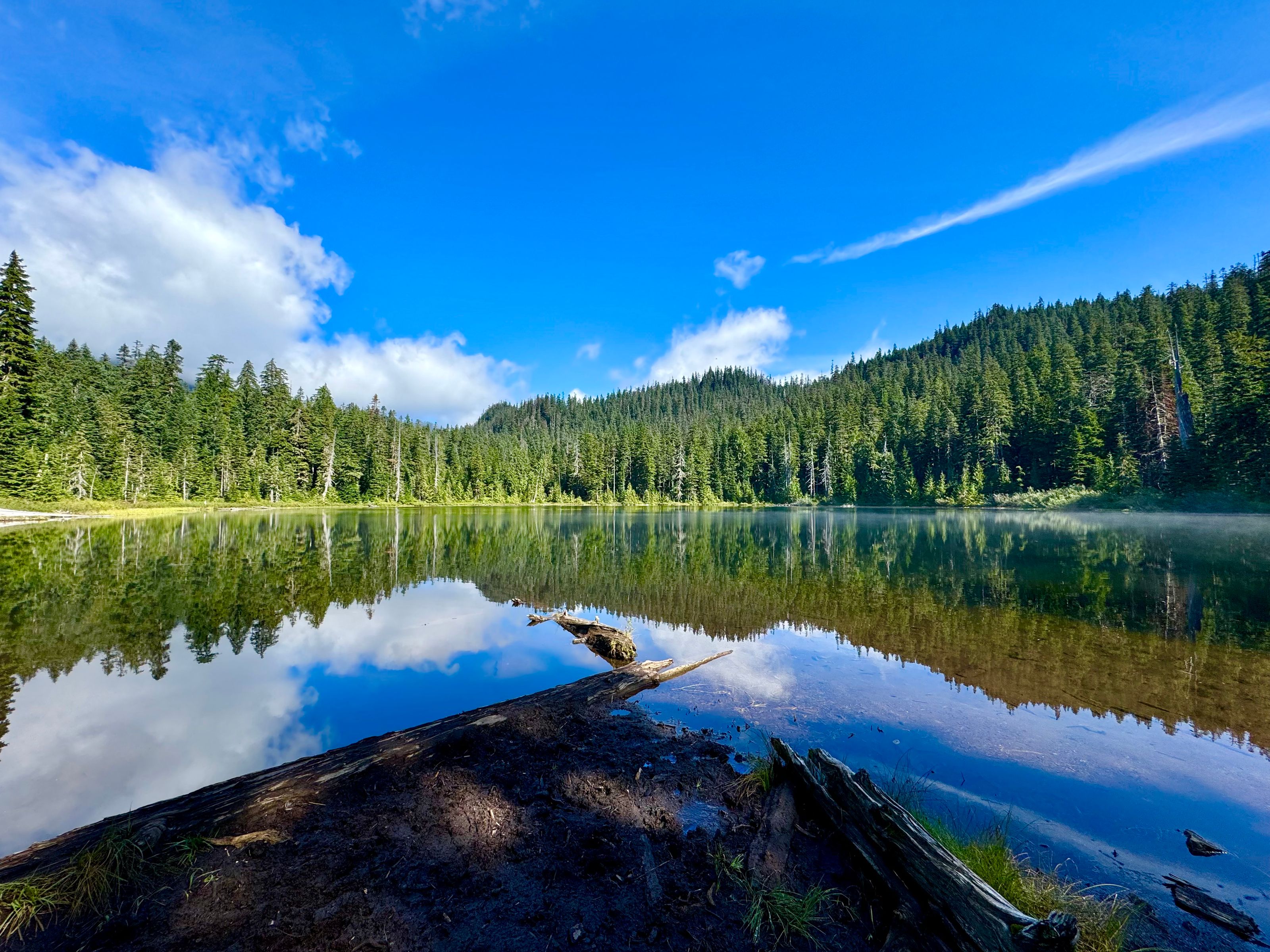
Snoqualmie Pass — Washington State
Things to Do at
Snoqualmie Pass
Skiing, hiking, snowshoeing, sledding, and more — year-round outdoor adventure just an hour from Seattle.
Full Snoqualmie Pass Guide →beExploring / Snoqualmie Pass
Overview
Snoqualmie Pass operates as a year-round outdoor destination — winter delivers skiing, snowboarding, snowshoeing, nordic skiing, tubing, and sledding, while summer opens up world-class hiking and lift-accessed mountain biking. The proximity to Seattle means you can do a full day here and be home for dinner.
This guide covers the best activities so you can focus your time on what fits your trip — whether that's a powder day at Alpental, a summer hike to Snow Lake, or a post-ski pint at Dru Bru.
beExploring / Snoqualmie Pass
Best Things to Do at a Glance
Best overall experience
A powder morning at Alpental, then a pint on the Dru Bru deck before heading back down I-90
Best for first-time visitors
Summit West for a lesson and gentle runs in winter, or the easy 2-mile walk to Franklin Falls in summer
Best in winter
Night skiing at Summit West or Central — lit on weekday evenings, so you can leave Seattle after work and be on snow by 4pm
Best in summer
Snow Lake before 8am, or Kendall Katwalk along the PCT for the most dramatic stretch of ridgeline trail in the Cascades
Best for families
Free sledding at Hyak Sno-Park, the flat Gold Creek Pond loop on snowshoes, and a session at the Summit Tubing Park
#1 Winter Activity
Skiing & Snowboarding
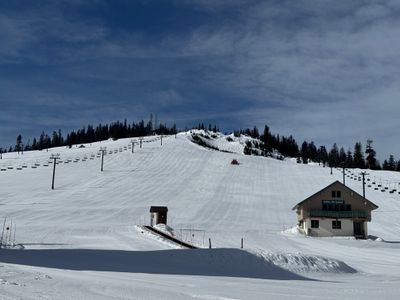
The Summit at Snoqualmie is Washington's most-visited ski destination — four interconnected areas offering terrain for every level, just 50 miles east of Seattle. The combination of consistent snowfall, night skiing, and accessible terrain makes it a year-after-year draw for the entire Seattle region.
Summit West, Central & East
Summit West is the go-to for beginners and families, with gentle slopes, a dedicated learning area, and an excellent ski school. Summit Central adds variety with intermediate and advanced terrain. Summit East connects to the Nordic trail network out of a quieter base area on the Cle Elum side of the pass.
Alpental
Alpental is in a different category. The steepest terrain in the Summit network sits here, including some of the best lift-served backcountry access in Washington. The bowl above the Internationale lift and the side-country zones attract advanced skiers and backcountry enthusiasts when conditions are right. Note: Alpental tickets are sold separately from the rest of the Summit areas.
Night Skiing
The Summit at Snoqualmie runs one of the largest night skiing operations in the United States. Summit West and Summit Central are both lit on weekday evenings — an excellent option for Seattle-area skiers who can head up after work and be on snow by 4pm.
#1 Summer Activity
Hiking
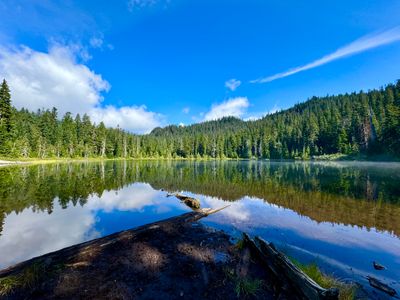
When the snow melts, Snoqualmie Pass reveals some of the most celebrated trails in the Washington Cascades. The pass sits along the Pacific Crest Trail, giving hikers access to a wide range of routes — from short waterfall walks to demanding alpine ridgelines. July through September is the sweet spot for most high-elevation trails.
Snow Lake
The most popular trail at the pass for good reason — a 7-mile round trip to a stunning alpine lake ringed by rocky peaks and subalpine forest. Moderate elevation gain makes it accessible to fit hikers. Crowds are heavy on summer weekends — go early or pick a weekday.
Kendall Katwalk
A 10-mile out-and-back along the PCT to one of the most dramatic stretches of ridgeline trail in Washington. The Katwalk is a narrow rock ledge blasted into the cliffside — exposure and broad Cascade views in every direction. A genuine Cascade classic.
Franklin Falls & Gold Creek Pond
Franklin Falls is an easy 2-mile walk to a 70-foot waterfall — great for families and casual hikers. Gold Creek Pond is an even shorter walk to a tranquil alpine lake with big mountain backdrops, accessible to everyone including strollers.
Great for all abilities
Snowshoeing
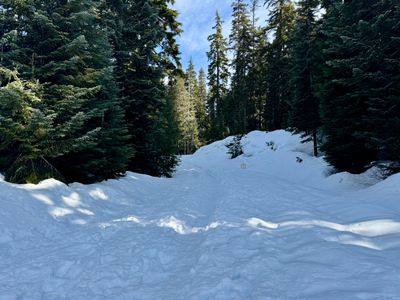
Snowshoeing at Snoqualmie Pass offers a peaceful alternative to the lift lines — routes through snow-covered forests, around frozen lakes, and into backcountry wilderness. The proximity to Seattle means trails are accessible even for a quick winter day trip, with no ski rental fees or ticket purchases needed.
Gold Creek Pond Loop
One of the most accessible snowshoe routes in the Cascades. An easy 3-mile loop around a snow-covered alpine lake with open views of Rampart Ridge and Kendall Peak. Well-marked and family-friendly — a great first snowshoe outing for kids.
Pacific Crest Trail — Commonwealth Basin
A longer and more rewarding snowshoe into the backcountry, following the PCT into Commonwealth Basin. The basin is spectacular in winter — deep snow, dense forest, and dramatic views of Red Mountain. Expect more elevation gain than Gold Creek Pond and plan accordingly.
Nordic Skiing
The Summit at Snoqualmie maintains 50 kilometers of groomed Nordic ski tracks out of the Summit East base area. Rentals and lessons are available on-site. The Palouse to Cascades State Park Trail also offers a wide, relatively flat route for beginner nordic skiers and snowshoers.
Great for families
Sledding & Snow Tubing
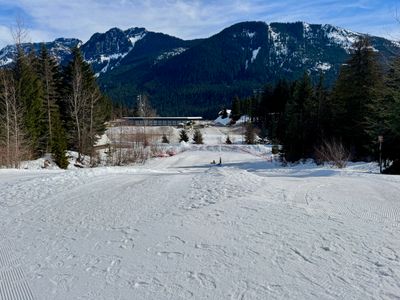
Snoqualmie Pass has two distinct options for snow sliding fun — a free, open sledding area at Hyak Sno-Park and a commercial tubing park at The Summit. Both are family-friendly and easy to access directly from I-90.
Hyak Sno-Park
The most accessible free sledding spot at the pass. Located at Exit 54 off I-90, Hyak Sno-Park has open hills suited for all ages with a large parking area and access to snowshoe trails as well. Bring your own sled. A Sno-Park permit is required to park here in winter.
Summit Tubing Park
The Summit at Snoqualmie runs a dedicated tubing park with multiple groomed lanes, a covered conveyor lift back to the top, and a lively atmosphere. No experience or equipment needed — just show up and go. Sessions are timed and tickets should be purchased in advance on busy weekends.
Backcountry access
Snowmobiling
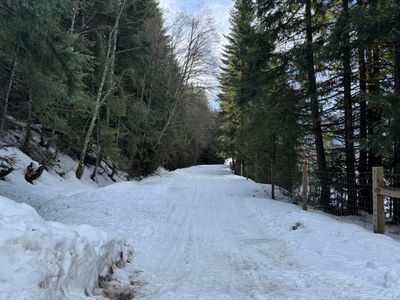
Snowmobiling is one of Snoqualmie Pass's less crowded winter activities, offering access to open alpine meadows and forested terrain that skiers and snowshoers rarely reach. Gold Creek Sno-Park is the primary staging area, with trails that wind through the Cascade wilderness above the pass.
Gold Creek Sno-Park
Located just north of I-90 at Exit 54, Gold Creek Sno-Park serves as the main snowmobile access point in the area. Trails from here climb through powder-covered forest into open alpine terrain with views of the surrounding peaks. A Sno-Park permit is required for parking.
Trail Conditions & Planning
Snowmobile trails at Snoqualmie vary in difficulty from gentle meadow cruising to more rugged high-alpine routes. Check snow conditions and trail status with the Washington State Snowmobile Association before heading out. Midweek visits offer far more solitude than weekends.
Après ski & more
Dru Bru Brewery
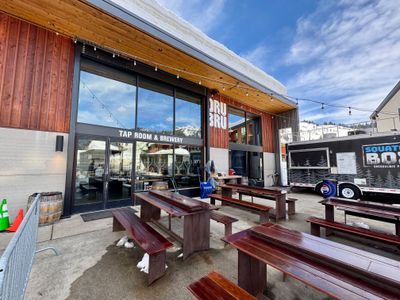
Dru Bru is a craft brewery set right at Snoqualmie Pass, a couple of miles from the ski areas and right off I-90. With mountain views, a rotating tap list, and a relaxed taproom atmosphere, it's the natural end point to a day of skiing, hiking, or snowshoeing at the pass.
The Taproom
Dru Bru's taproom features a selection of craft beers brewed on-site — lagers, IPAs, stouts, and seasonal offerings. The outdoor deck has direct views of the surrounding Cascade peaks, making it an especially good stop in summer. The vibe is casual and welcoming to muddy hikers and wet ski boots alike.
The Firehouse
Adjacent to Dru Bru is The Firehouse, a converted fire station that serves as a community hub at the pass. Evo, the outdoor gear company, maintains a retail and rental space here. Coffee, gear, co-working space, and community events make it a gathering spot for the Snoqualmie Pass community beyond just ski season.
A hidden gem
Ski & Snowboard Museum
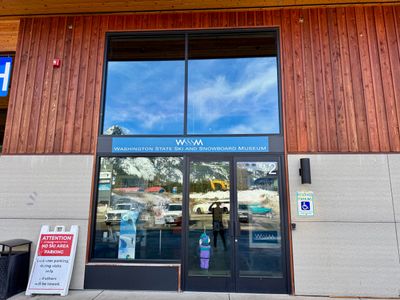
Tucked near The Summit at Snoqualmie, the Ski and Snowboard Museum is a small but genuinely interesting look at the history of winter sports in the Pacific Northwest. It's often overlooked — and that's part of its appeal. A good option for a slower start to a ski day or when conditions aren't ideal on the mountain.
The Collection
The museum showcases the evolution of skiing and snowboarding in the Cascades through historic equipment, vintage photographs, and exhibits on regional ski culture. You'll see how dramatically ski gear has changed since the early days of the sport in Washington and learn about the people who helped build the local ski industry.
Pacific Northwest Ski History
The exhibits cover the development of ski resorts at Snoqualmie Pass specifically — from early rope tow operations to the multi-area Summit complex that exists today. A worthwhile 30-45 minute stop for anyone curious about the history of the mountain they're skiing on.
beExploring / Snoqualmie Pass
Planning Tips
Arrive early on powder days and holiday weekends. Summit parking fills fast and I-90 backs up significantly on busy ski weekends — midweek visits or a pre-dawn Saturday start make a big difference.
For popular summer trails like Snow Lake and Kendall Katwalk, trailhead parking lots fill by 8am on weekends. Start early and bring a Discover Pass for parking.
Check WSDOT mountain pass conditions before heading up. Washington State traction tire restrictions are actively enforced at Snoqualmie Pass in winter.
Save time for Dru Bru on the way home. The brewery is right off I-90 and a much better way to decompress than sitting in traffic immediately after a ski day.
beExploring / Snoqualmie Pass
Common Mistakes
Only coming in winter. The summer hiking at Snoqualmie Pass is among the best in Washington State — Snow Lake, Kendall Katwalk, and Franklin Falls are well worth making the drive for.
Not checking trail or road conditions in shoulder seasons. Snoqualmie Pass gets snow early and loses it late. Many alpine trails carry significant snowpack through June. Check WTA conditions before heading out.
Underestimating holiday weekend crowds. Christmas, MLK weekend, and Presidents Day are the busiest ski weekends of the year. Tubing tickets and parking spots disappear fast — plan and book ahead.
Driving past the Sno-Parks without a permit. A Washington State Sno-Park permit is required for parking at Gold Creek and Hyak Sno-Parks in winter. They're cheap and available at outdoor retailers.
beExploring / Snoqualmie Pass