Seattle
Things to Do
in Seattle
From Pike Place to the Ballard Locks — Seattle's best attractions, parks, neighborhoods, and day trips.
Seattle Overview →beExploring / Seattle
Overview
Seattle's best experiences split between two worlds. Downtown has the iconic stops — Pike Place Market, the Space Needle, the waterfront — and they're worth the visit. But the neighborhoods are where Seattle actually lives. Ballard, Capitol Hill, and Fremont each have a distinct identity, better restaurants, and more character than the tourist core.
The city has over 500 parks, a world-class brewery scene, real urban trails, and day trips into the Cascades within an hour of downtown. Most of what makes Seattle worth visiting is free — parks, views, public art, and neighborhood streets you can walk all day.
beExploring / Seattle
Seattle Highlights at a Glance
Best overall experience
Pike Place in the morning, the Ballard Locks after lunch, then Gas Works Park for the skyline at golden hour
Best for first-time visitors
Downtown landmarks in the morning, then one neighborhood — Ballard for the Locks and breweries, or Capitol Hill for Volunteer Park and dinner
Best in summer
Golden Gardens beach day, a Bainbridge ferry ride for the skyline, and outdoor taprooms in Ballard or Fremont
Best rainy day
MoPOP and Chihuly at Seattle Center, Columbia Tower for indoor views, then a Ballard or Fremont brewery crawl
Best for families
Seattle Center (Space Needle, playgrounds, MoPOP), Discovery Park Loop, and the free Ballard Locks fish ladder
beExploring / Seattle
If You Only Have Limited Time
If you have
1 Day
- Pike Place and the waterfront in the morning
- Space Needle / Seattle Center midday
- Gas Works Park or Kerry Park for sunset views
If you have
A Weekend
- Day 1: downtown landmarks and waterfront
- Day 2: Ballard Locks, brewery district, Golden Gardens
- Or swap Day 2 for Capitol Hill and Volunteer Park
If you have
3 Days
- Day 1: downtown and Seattle Center
- Day 2: one neighborhood + a park or brewery crawl
- Day 3: Snoqualmie Falls, North Bend, or Snoqualmie Pass
The tourist core
Downtown & The Waterfront
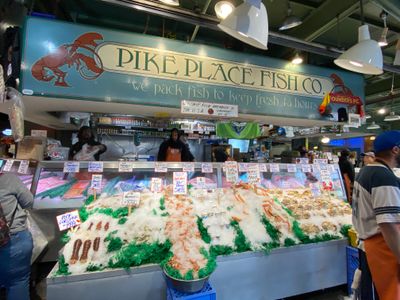
Downtown Seattle is compact and walkable from the waterfront to Pike Place. The Space Needle and Seattle Center anchor the north end, the Pike Place neighborhood anchors the middle, and the rebuilt waterfront park runs along Elliott Bay. Most of the big-ticket attractions — including MoPOP, Chihuly Garden, and the Aquarium — sit within a 20-minute walk of each other.
Space Needle & Seattle Center
Seattle's signature landmark, built for the 1962 World's Fair, with a 360° observation deck and the 2018 rotating glass floor. On clear days you get Rainier, the Olympics, and the Cascades. Seattle Center around it holds MoPOP and Chihuly Garden, plus one of the best playgrounds in the city — easy to combine into a half day.
Pike Place Market
A working public market since 1907 — not a tourist facsimile, though it draws plenty of visitors. The fish throw is the famous part, but the best of it is the lower levels: small food stalls, artisan shops, and the Post Alley entrance near the Gum Wall. Good for an hour of wandering. Skip the restaurants inside the market itself.
Seattle Waterfront & Aquarium
The waterfront runs along Elliott Bay from the Seattle Aquarium south to Colman Dock. The Great Wheel is the most visible landmark on the water; the new Waterfront park adds lawn space and a public pier with direct connections up to Pike Place. The Aquarium is the rainy-day stop on this stretch, and the Washington State Ferry to Bainbridge Island departs from Colman Dock — one of the best skyline views in the city.
Where locals actually spend time
Seattle Neighborhoods
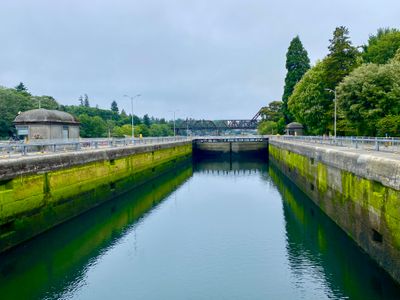
Seattle's best experiences are in the neighborhoods — not downtown. Ballard, Capitol Hill, and Fremont each have a distinct identity, a strong restaurant and bar scene, and enough to fill a full day without touching a tourist attraction. All three are a short drive or rideshare from downtown.
Ballard
The Scandinavian fishing community turned craft beer capital of Seattle. The Ballard Locks are free and worth an hour — time it for boat traffic and walk the fish ladder. The Nordic Museum sits a few blocks away. The brewery district (Reuben's, Stoup, Urban Family, Obec) is fully walkable. Golden Gardens has the best beach in the city, and the Sunday Farmers Market runs year-round.
Capitol Hill
The densest and most walkable neighborhood in Seattle, known for nightlife, independent coffee shops, and Volunteer Park. The park alone contains a Victorian conservatory, the Asian Art Museum, a 360° water tower view, and Bruce Lee's grave. The Starbucks Reserve Roastery on Broadway is the most impressive coffee space in the city.
Fremont
Self-described "Center of the Universe" — Fremont leans into its weirdness with an 18-foot troll under the Aurora Bridge, a Soviet-era Lenin statue, a Cold War rocket mounted on a building, and dinosaur topiaries in a backyard. Gas Works Park is at the Fremont edge of the Burke-Gilman Trail. The Sunday Market runs spring through fall.
Green spaces worth the trip
Parks & Green Spaces
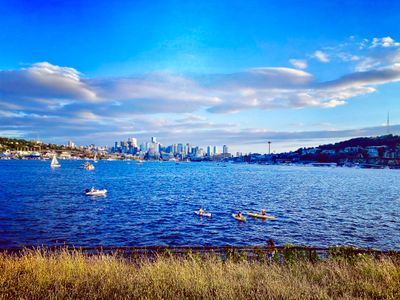
Seattle has over 500 parks, and the standouts are genuinely worth a dedicated stop. Gas Works and Discovery Park are the most well-known, but Green Lake, Seward Park, Golden Gardens, and Olympic Sculpture Park punch well above their footprint. For longer walks and trail loops, see the urban hikes guide.
Gas Works Park
A former coal gasification plant turned park on the north shore of Lake Union, with views of the Seattle skyline and float planes on the water. The rusting plant structures are part of the design. Wide lawns for kite flying, a great playground, and the Burke-Gilman Trail running directly past the entrance. A 15-minute walk from the Fremont core.
Discovery Park
At 534 acres, Discovery Park is Seattle's largest park and sits on a forested bluff above Puget Sound in Magnolia. The two-mile Loop Trail connects forest, meadows, and a beach with a lighthouse. Views of the Olympics across the Sound. Far enough from downtown that it stays quiet even on summer weekends.
Olympic Sculpture Park
A nine-acre outdoor sculpture park run by the Seattle Art Museum along the waterfront north of downtown. Free, open dawn to dusk every day of the year. Works by Alexander Calder, Richard Serra, Mark di Suvero, and others spread across a sloped path down to the water. One of the best free art experiences in Seattle.
One of the densest craft beer cities in the US
Breweries & Beer Neighborhoods
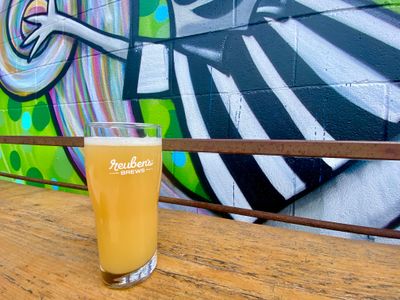
Seattle has 75+ craft breweries, and the best way to experience them is by neighborhood — not by trying to hit a citywide list. Ballard is the walkable heart of it. Georgetown is production country. Fremont does outdoor biergartens. Capitol Hill mixes taprooms into the bar scene.
Ballard Brewery District
A dozen breweries within walking distance make Ballard the strongest beer neighborhood in Seattle. Reuben's Brews, Stoup, Urban Family, Lucky Envelope, and Obec are all within a few blocks — no car needed. Start here if you only have one afternoon for beer.
Fremont & Georgetown
Fremont Brewing's urban biergarten is one of the best outdoor beer spaces in the city — dog-friendly, family-friendly, and busy on summer weekends. Georgetown is more spread out but worth the trip for Georgetown Brewing (the largest craft brewery in Washington), Great Notion, and Counterbalance.
Capitol Hill & Downtown
Elysian, Optimism, and Outer Planet sit in or near Capitol Hill with more of a mixed bar/taproom vibe. Old Stove Brewing inside Pike Place Market is the convenient downtown stop after walking the market — solid beer with waterfront views.
Real trails inside city limits
Urban Hikes & Nature
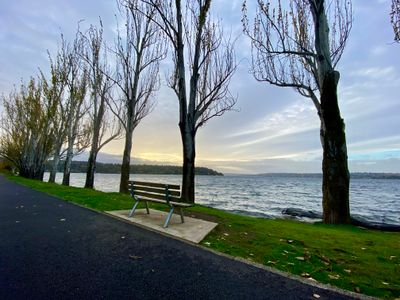
You do not need to leave Seattle for a proper walk in the woods or along the water. Discovery Park, Seward Park, Green Lake, and the Arboretum deliver real mileage and views inside city limits. Easy Cascade trailheads start about 30–45 minutes east when you want something bigger.
Discovery Park & Seward Park
Discovery Park's 2.8-mile Loop Trail crosses forest and meadows with Sound views; side trails drop to the beach and lighthouse. Seward Park's 2.5-mile shore loop circles old-growth forest on Lake Washington — paved, nearly flat, and one of the best easy walks in the city.
Green Lake & the Arboretum
Green Lake is a Seattle institution — a 2.8-mile paved loop shared by walkers, runners, and bikes, with ducks, herons, and docks year-round. The Washington Park Arboretum adds plant collections, Japanese maples in fall, and the Arboretum Waterfront Trail across Marsh and Foster Islands.
Easy Hikes Near Seattle
When you want Cascades scenery without a full expedition, easy nearby hikes and waterfall trips sit along I-90 — Twin Falls, Franklin Falls, and Rattlesnake Ledge are the usual shortlist.
Skyline, ferries, and shoreline
Views, Ferries & Water
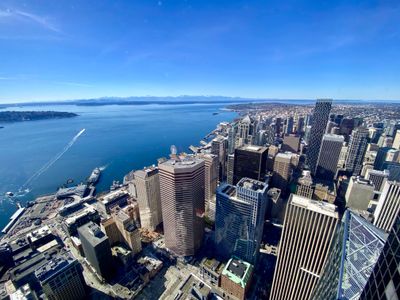
Seattle is surrounded by water and framed by mountains — the best viewpoints are free or cheap, and a ferry ride turns the skyline into a moving panorama. Pair a viewpoint with a beach, the Locks, or a Bainbridge walk for a full half day.
Kerry Park & Jack Block Park
Kerry Park in Queen Anne is the classic Space Needle postcard shot — free, crowded at golden hour, and worth it once. Jack Block Park in West Seattle (Alki) often delivers the better overall skyline-over-water view from an elevated platform, with ferry traffic crossing the frame.
Washington State Ferry
Walk on at Colman Dock (Pier 50) and ride toward Bainbridge Island. Outdoor decks give you the full skyline receding over Puget Sound — one of the best ways to see the city. Round-trip on foot is affordable; bring a layer for the deck.
Golden Gardens & Ballard Locks
Golden Gardens is Seattle's best city beach — sand, fire pits, Olympics views across the Sound. Combine it with the free Ballard Locks and fish ladder a short drive south for a classic Ballard water day. Columbia Tower's indoor observatory is the rainy-day skyline backup.
When the weather turns
Museums & Rainy Days
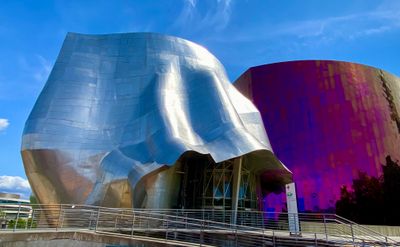
Seattle rain is real from November through March — and the indoor options are strong. Seattle Center clusters MoPOP, Chihuly Garden and Glass, and the Space Needle. Downtown adds the Aquarium and Columbia Tower. Pair any of these with a brewery stop and a full wet day stays interesting.
MoPOP
The Museum of Pop Culture at Seattle Center covers music, sci-fi, gaming, and horror in Frank Gehry's colorful building next to the Space Needle. Strong for families and anyone who wants a few indoor hours without leaving the Seattle Center campus.
Chihuly Garden and Glass
Dale Chihuly's glass exhibition sits steps from the Space Needle — indoor galleries plus a garden of large-scale installations. Easy to combine with MoPOP or the Needle on the same ticketed afternoon.
Aquarium & Columbia Tower
The Seattle Aquarium anchors the waterfront for a rainy morning near Pike Place. Columbia Tower Sky View Observatory on the 73rd floor is taller and usually less crowded than the Space Needle — a full 360° indoor panorama when you still want the view without standing in the weather.
Cascades within an hour
Day Trips from Seattle
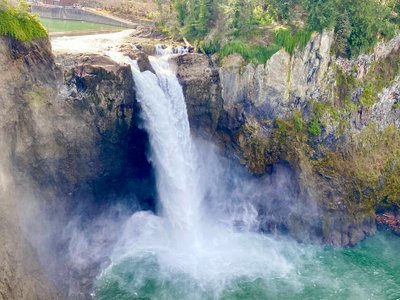
Seattle sits next to the Cascades — waterfalls, mountain towns, and ski terrain are closer than most visitors expect. Snoqualmie Falls and North Bend work as half-day or full-day outings. Snoqualmie Pass and Leavenworth reward a full day. Mount Rainier and the Olympics need an early start.
Snoqualmie Falls
A 268-foot waterfall about 30 minutes from Seattle. The upper viewing platform is steps from the parking lot — no hiking required. A 1.5-mile trail reaches the lower deck if you want more. Strong year-round; arrive before 10am on weekends for parking.
North Bend & Twin Falls
The closest Cascade mountain town to Seattle — Rattlesnake Ledge, Twin Falls, Mount Si, and the Snoqualmie Valley Trail sit within a few miles of each other. North Bend is the pick when you want real hiking variety without a long drive.
Snoqualmie Pass & Beyond
Snoqualmie Pass is 45 minutes east for summer hikes (Snow Lake, Franklin Falls) and winter skiing at The Summit. Leavenworth is a fuller 2.5-hour day for Bavarian town energy plus river walks and hiking. Rainier, Deception Pass, and Skagit tulips round out longer options.
Only in Seattle
Unique Experiences
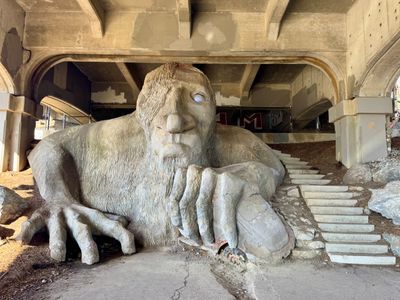
Seattle has a handful of attractions that are genuinely one-of-a-kind — some famous, some hidden, all worth finding. The Fremont Troll and the Gum Wall are the easiest to tick off. The Monorail is one of the oldest operational monorails in the US. And the Starbucks Reserve Roastery in Capitol Hill is the best version of a thing you've seen a thousand times done somewhere you haven't.
Fremont Troll & Statues
An 18-foot concrete troll gripping a real Volkswagen Beetle, installed under the Aurora Bridge in 1990. Free, climbable, and absurd in the best way. Two blocks away: a full-size bronze statue of Lenin imported from Slovakia in 1995. Keep walking and you'll find a Cold War rocket mounted on a building and dinosaur topiaries in someone's backyard.
Pike Place Gum Wall
A brick alley wall in Post Alley, covered floor-to-ceiling in chewed gum since the early 1990s. Cleaned once in 2015 (it took workers 130 hours and removed 2,350 pounds of gum), then promptly covered again. Bring your own contribution. It's weirder in person than in photos.
Starbucks Reserve Roastery
On Capitol Hill's main strip — not the original Starbucks, which is at Pike Place, but the more interesting one. A multi-story roastery and bar with reserve coffees roasted on-site, cocktails, and food. The space itself is worth seeing. Tasting flights, pour-overs, and drinks you can't get at a regular Starbucks.
beExploring / Seattle
Planning Tips
The light rail connects the airport to downtown and Capitol Hill — no rental car needed for most of a Seattle trip. Get an ORCA card. See the SEA airport guide for the full transfer walkthrough.
Neighborhoods are far apart. Pick one or two per day instead of trying to hit Ballard, Capitol Hill, and Fremont on the same afternoon.
July through September is reliably dry and warm. Summer weekends fill up fast — book lodging early if visiting between July 4 and Labor Day.
The best food is in the neighborhoods. Ballard Ave, Capitol Hill's Pike-Pine corridor, and Fremont's core all have better dining than the tourist spots downtown.
beExploring / Seattle
Common Mistakes
Spending the whole trip downtown. Pike Place, the Space Needle, and the waterfront are worth a single morning between them. Ballard, Capitol Hill, and Fremont are 15 minutes away and hold the restaurants, bars, and character that make the city worth returning to.
Renting a car for a city-only trip. Light rail runs from the airport to downtown and Capitol Hill in under 40 minutes, and downtown parking is expensive and scarce. Rent one only for a day trip out to the Cascades, Mount Rainier, or the Olympic Peninsula.
Writing off a summer visit because of the rain reputation. Seattle's drizzle runs November through March. July through September is drier than most of the country, and locals wear a shell rather than carry an umbrella.
Eating inside Pike Place Market. The market is worth an hour of wandering, but the sit-down restaurants in it are priced for visitors. Post Alley below or the Pike-Pine corridor on Capitol Hill is better food for less money.
beExploring / Seattle
Plan Your Seattle Trip
Ballard
Locks, breweries, beach, live music
Capitol Hill
Volunteer Park, nightlife, coffee
Fremont
Troll, Gas Works, Sunday Market
Seattle Breweries
75+ craft breweries with map
Hikes in Seattle
City park trails and easy loops
Best Views
Kerry Park, Jack Block, ferry, Columbia Tower
Waterfalls Near Seattle
Snoqualmie Falls, Twin Falls, and more
Day Trips
Cascades, waterfalls, and mountain towns
Seattle Parks
500+ parks across the city
Playgrounds
Best parks for kids around the city
Seattle Murals
Street art by neighborhood
Best Time to Visit
Seasons, crowds, and weather
Courts & Fields
Basketball, tennis, pickleball, soccer
beExploring / Seattle