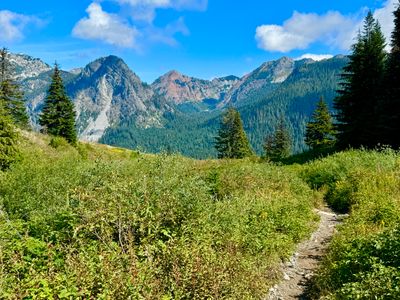
Snoqualmie Pass, Washington State
Best Time to Visit
Snoqualmie Pass
Month-by-month planning for skiing, hiking, snowshoeing, and sledding at the closest mountain pass to Seattle.
Full Snoqualmie Pass Guide →beExploring / Snoqualmie Pass
Overview
Snoqualmie Pass runs on a different calendar than Seattle, an hour down the hill. Over 400 inches of snow a year gives it the longest lift season of anywhere within an hour of the city, and that same snowpack keeps the alpine trails buried long after the lowlands have dried out. Late June is the trap month: the weather in town is glorious, the pass looks green from I-90, and Snow Lake is still under several feet of snow.
Pick the month for the trip you want rather than the other way around. December through March is the full winter menu, March through May is the best backcountry skiing of the year, late July through September is when the alpine hiking finally opens up, and September is the strongest all-around month on the calendar.
beExploring / Snoqualmie Pass
Quick Picks by Trip Type
Best overall
September, when the alpine trails are clear, the huckleberries are ripe, and the summer crowds have gone back to work
Best for lift skiing
January and February for the deepest base across all four areas at The Summit
Best for backcountry
March through May, once the snowpack settles and the days are long enough for a real tour
Best with kids
December through February at Hyak Sno-Park and the Summit Tubing Center, when the base is deep and reliable
Best for a quiet snow day
A January or February weekday on snowshoes at Gold Creek Pond, well away from the lift lines
beExploring / Snoqualmie Pass
Snoqualmie Pass by Season

Spring: March to May
Spring is the pass at its best for anyone on skis. The winter snowpack is still deep, it has settled into something more predictable, and the days are long enough to earn real turns. Lower elevations begin clearing in April, but most alpine hiking is still months away, and popular trails like Snow Lake hold snow through May. Plan a spring ski tour.
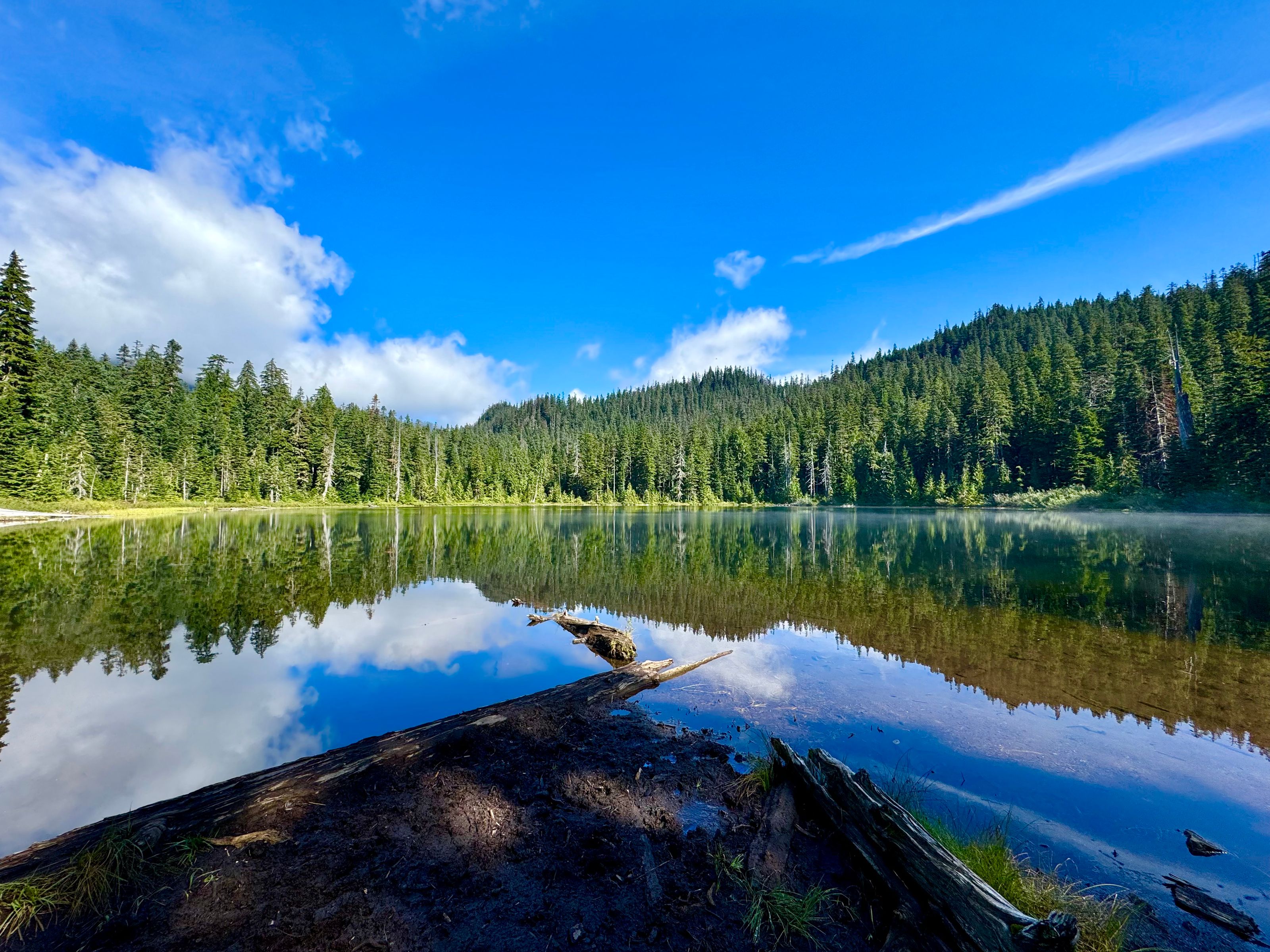
Summer: June to August
Summer arrives late up here. June is a shoulder month no matter how warm Seattle feels, and the alpine trails do not reliably clear until late July. Once they do, Snow Lake, Kendall Katwalk, and the Pacific Crest Trail are as good as hiking gets in Washington, and lift-served mountain biking opens at The Summit. Browse summer hikes.

Fall: September to October
September is the sweet spot: trails fully open, huckleberries ripening on the hillsides, cool air, and far fewer people than August. Mirror Lake, Lodge Lake, and Alaska Lake all shine in this window. By late October the high country takes its first real snow and the season turns over again. Check current conditions.
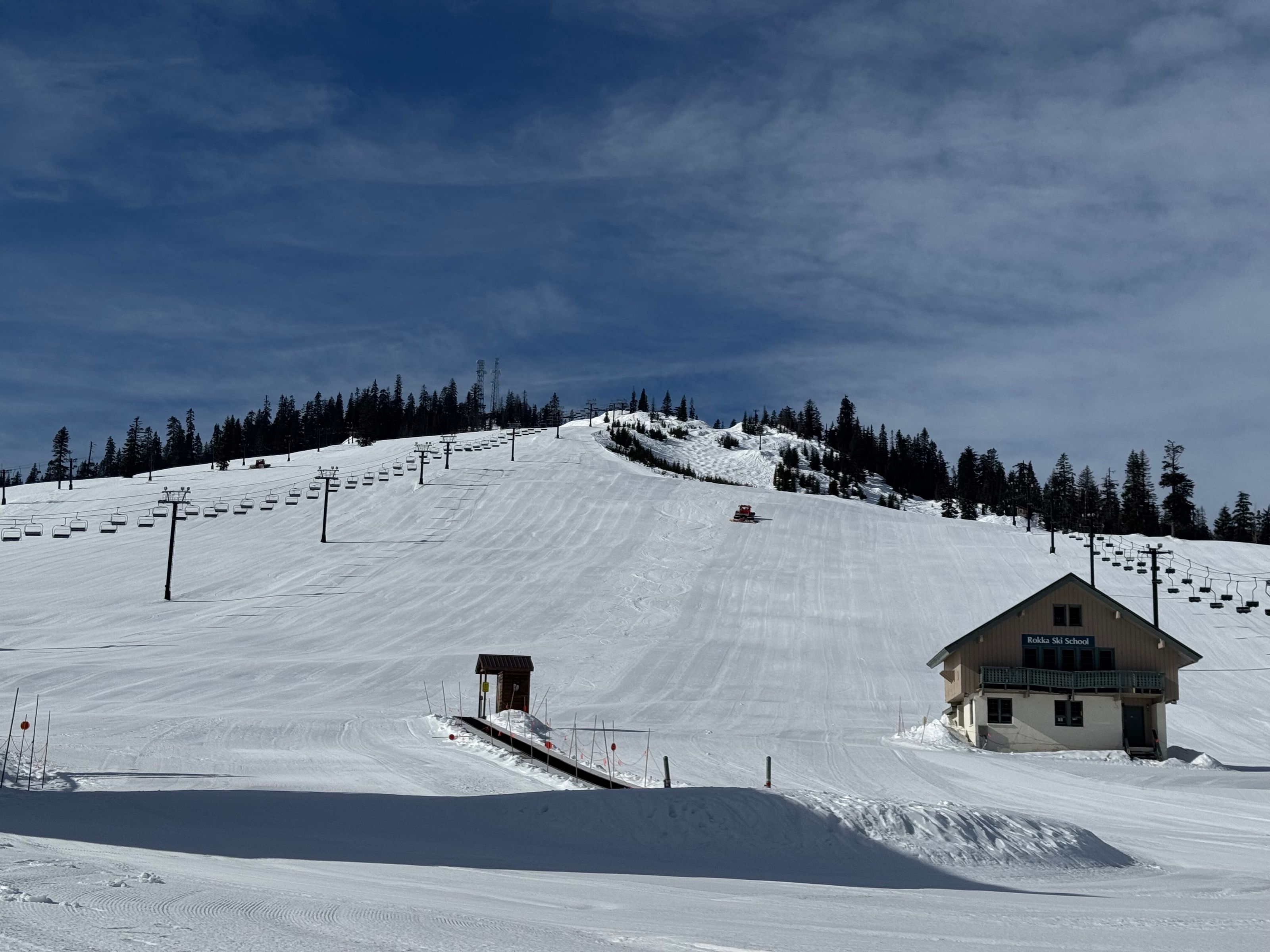
Winter: November to February
Winter is what the pass is built for. Four connected ski areas, night skiing at Summit West and Summit Central, Nordic trails, snowshoe routes, snowmobiling, and tubing at the Summit or sledding at Hyak Sno-Park. It is also the season that demands the most planning, because I-90 traffic and traction tire rules shape the day. Sledding and tubing.
beExploring / Snoqualmie Pass
Snoqualmie Pass Month by Month
Averages at the pass, which sits at 3,022 feet. Trailheads and ski terrain run higher still, so expect colder temperatures and later melt-out than these numbers suggest. Precipitation falls as snow for most of the winter column.
| Month | High / Low | Precipitation | Best For | Planning Note |
|---|---|---|---|---|
| January | 38° / 30° | 7.9" / 20 days | Lift skiing, tubing, snowshoeing | Deepest base of the year, busiest weekends |
| February | 39° / 31° | 6.8" / 18 days | Lift skiing, sledding, night skiing | Presidents Day week is the peak crush |
| March | 44° / 34° | 5.9" / 19 days | Backcountry touring, spring lift days | Snowpack settles, days get usefully long |
| April | 49° / 36° | 4.3" / 17 days | Ski touring, low-elevation waterfalls | Lifts wind down, touring is at its best |
| May | 56° / 42° | 3.0" / 14 days | Ski touring, Franklin Falls | Alpine trails still snowbound above 4,000 ft |
| June | 62° / 47° | 2.3" / 10 days | Low-elevation trails, Dru Bru | The trap month. Snow Lake is usually still buried |
| July | 70° / 54° | 1.0" / 4 days | Alpine hiking once trails clear, biking | Early July is hit and miss, late July is reliable |
| August | 70° / 55° | 1.1" / 5 days | Alpine hiking, swimming in alpine lakes | Driest month, and the busiest trailheads |
| September | 63° / 51° | 2.4" / 10 days | Hiking, huckleberries, fall color | Best overall month. Trails clear, crowds thinner |
| October | 51° / 42° | 5.8" / 15 days | Fall hiking, quiet weekends | First high-elevation snow arrives late month |
| November | 41° / 35° | 9.8" / 21 days | Early-season skiing if it comes in | Wettest month. Opening dates vary a lot |
| December | 36° / 29° | 8.5" / 20 days | Lift skiing, tubing, holiday trips | Holiday weeks fill early. Book tubing ahead |
beExploring / Snoqualmie Pass
Things to Know
Late June Is the Trap
The single most common mistake visitors make. Seattle is in full summer, the pass looks clear from the freeway, and the alpine trails are still under snow. Snow Lake, Kendall Katwalk, and most of the Pacific Crest Trail here do not reliably melt out until late July.
The Ski Season Runs Long
With 400 inches of annual snowfall, the pass holds skiable snow far longer than its 3,022-foot base suggests. Lifts typically run into April, and backcountry touring off Alpental carries well into May in a good year.
September Is the Best All-Around Month
Trails are fully open, the huckleberries are ripe, the air is cool, and the August trailhead crush has eased. If you only visit once in the warm half of the year, make it September.
Traction Tire Rules Are Enforced
Washington requires traction tires during winter restrictions on the pass, and the rule is checked regularly. Good weather in Seattle tells you nothing about whether the restriction is active. Check WSDOT before you drive up.
Weekdays Change the Whole Trip
The pass draws from the entire Seattle metro area, so a Saturday in January and a Tuesday in January are different destinations. Midweek means parking, shorter lift lines, and an I-90 drive that takes the time it should.
Winter Parking Needs a Permit
Sno-Parks such as Hyak require a Washington Sno-Park permit through the winter season, and they are not sold at the lot. Sort it out before you leave home rather than at the trailhead.
beExploring / Snoqualmie Pass
Seasonal Planning Tips
For alpine hiking, aim for late July through September. June and early July look tempting from Seattle and disappoint often.
For lift skiing, January and February have the deepest base. Buy passes ahead for holiday weeks, when the lots fill before mid-morning.
For backcountry touring, March through May beats midwinter. The snowpack is more settled and the daylight gives you room to move.
On any winter weekend, leave Seattle before 7am or plan to sit in traffic in both directions. Midweek avoids the problem entirely.
Check WSDOT mountain pass conditions the morning you go, not the night before. Traction tire restrictions can go up with little warning.
In the shoulder months, read recent trip reports rather than the forecast. Melt-out varies by weeks from one year to the next.
beExploring / Snoqualmie Pass